

Medical Service
School medical service
School medical service
The purpose of the medical service is to preserve and strengthen the health of students and promote a healthy lifestyle.

Bagdauletova Zhazira Serikkyzy
Nurse

Mamysheva Asel Isakovna
Doctor
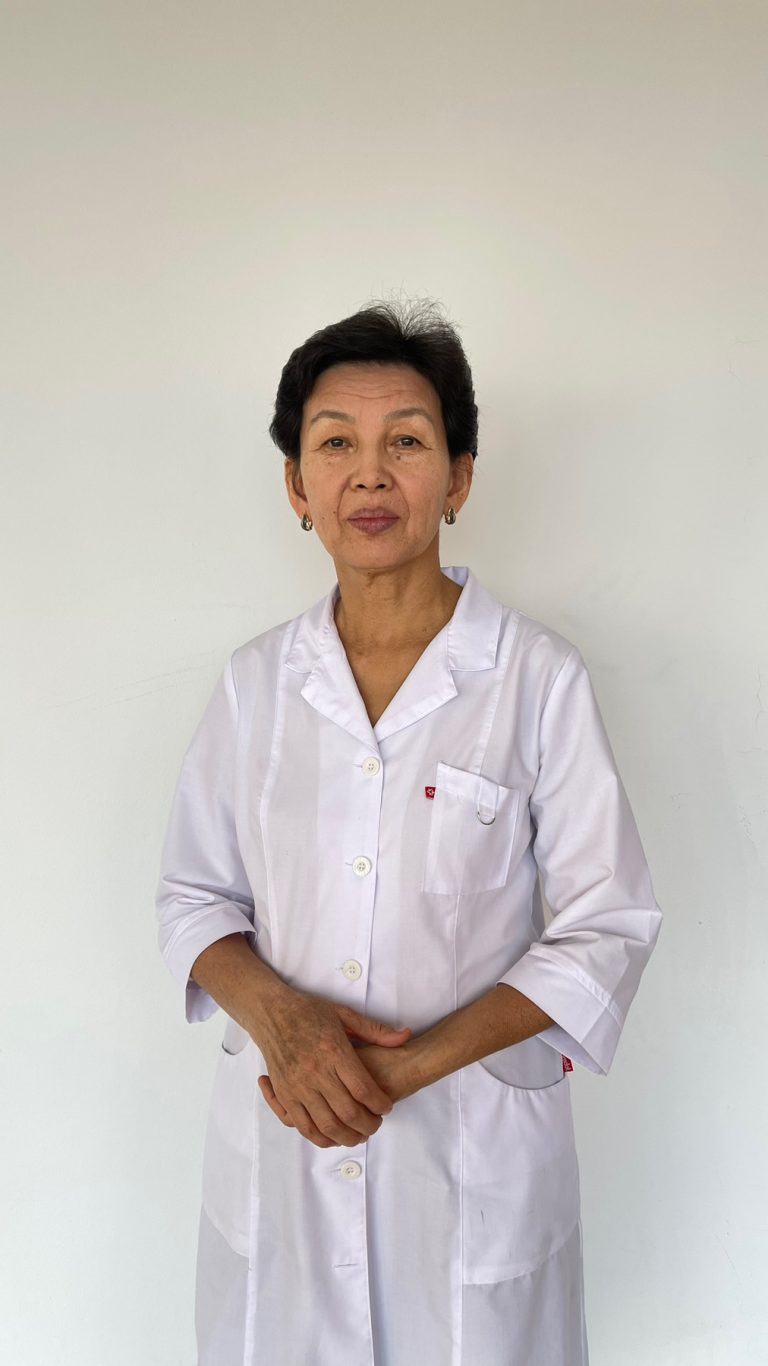
Uvaidina Akmaral Zhamalbekovna
Nutritionist
1. Prevention of influenza and acute respiratory viruses
2. Prevention of myopia (nearsightedness)
3. Scoliosis in schoolchildren
BCG vaccine and Mantoux test
Prevention of influenza and acute respiratory viral infections (ARVI)
Prevention of influenza and acute respiratory viral infections (ARVI) is a complex of measures aimed at preventing human infection with viruses causing the disease. Preventive methods of protection are divided into specific and non-specific.
Specific prevention of influenza and ARVI involves annual vaccination of the population. Due to the tendency of viruses to mutate, the vaccine is adjusted annually. According to data provided by the WHO, mass vaccination has helped reduce the intensity of influenza epidemics worldwide. Modern vaccines can protect about 80% of both adults and children from influenza.
Specific prevention of influenza and ARVI
Vaccination will be considered effective in combating influenza only if 50% or more of the country’s population receives it. Currently, more than 20 different vaccines of 4 generations are registered.
Each vaccine is made from the virus strains that will be relevant in the upcoming year during epidemics.
There is a particular need for vaccination among the following social groups:
Elderly people;
Preschool and school-age children;
Workers in educational, medical, commercial, and other fields;
Pregnant women;
Individuals with weakened immune systems and chronic illnesses.
Non-specific prevention of influenza and ARVI
Non-specific prevention of influenza and ARVI boils down to increasing the body’s resistance to viruses and preventing their entry into the body.
There are the following practical recommendations to follow to protect yourself from infection:
Maintaining optimal air temperature and humidity levels in crowded spaces.
Regular ventilation of premises.
Outdoor walks.
Proper nutrition. Food should provide the necessary intake of proteins, fats, carbohydrates, and vitamins.
Adequate hydration allows replenishing the body’s fluid reserves and moisturizing the mucous membranes. It has been proven that viruses find it much easier to penetrate the cells of the upper respiratory tract epithelium when they are dry and have microcracks.
Physical activity, including daily sports activities.
Adequate rest. Primarily, this means healthy sleep. To maintain immune function, one should sleep for at least 8 hours a day.
Maintaining cleanliness indoors, daily wet cleaning with minimal use of household chemicals.
Implementing a mask regime during influenza and cold epidemics. Masks should not be touched by hands after being fixed on the face. Reuse is unacceptable.
Avoiding crowded places.
Thorough handwashing after visiting public places. Until then, avoid touching your face, lips, or nose.
In terms of hygiene, attention should be paid not only to hands but also to nasal passages. Nasal hygiene should be performed after each visit to a public place. Special solutions and sprays based on seawater, as well as regular saline solution, are suitable for this purpose. In addition to this procedure, gargling with a solution of soda and salt is recommended.
During conversations, it is advisable to maintain a distance of at least one meter from the interlocutor.
In medical institutions, classrooms, daycare groups, and universities, the use of ultraviolet lamps is advisable.
Be healthy!
About the rejection committee
In the “Nazarbayev Intellectual School of Chemistry and Biology in Shymkent”, in order to strengthen quality control and safety of products in the school canteen, compliance of dishes with the name, quality of food preparation, compliance with sanitary and epidemiological requirements when organizing meals for students, a rejection commission has been created.
The commission is created by order of the NIS Principal at the beginning of each academic year. The commission includes:
– School principal (chairman of the commission)
– Vice-principal for Financial and Economic Affairs
– dietary sister
– members of the parent committee (one parent from each level, providing a copy of a medical record or a certificate of chest x-ray).
The main task of the commission is to assess the quality of food products and ready-made dishes based on organoleptic indicators, to ensure constant monitoring of the work of the NIS canteen, compliance with food preparation technologies, the organization of rational nutrition, as well as the prevention of food poisoning and gastrointestinal diseases.
Objectives:
Implementation of activities aimed at improving the health of students;
Promote the creation of conditions for maintaining the health of students;
Sanitary educational activities to promote a healthy lifestyle;
Areas of medical service work:
Organizational work of the school’s medical service;
Treatment and preventive work;
Sanitary education work;
Sanitary education work:
Conducting lectures in accordance with planned topics;
Organization of meetings, individual consultations with parents on health education, principles of proper nutrition and body care;
Compliance with sanitary and hygienic standards in school and dormitories;
Medical Service Works
Organizational work of the medical service:
Working with medical documents
Providing medicines and medical products
Concluding contracts with organizations for the provision of medical services (disinfection, sterilization of medical instruments, destruction of medical waste, etc.).
Work in medical and preventive areas:
Providing timely medical care in case of illness, injury and upon receipt of applications;
Conducting vaccinations against infectious diseases;
Carrying out sanitary-epidemiological and therapeutic measures;
Students systematic medical examination;